
The Gulf Cooperation Council (GCC) has taken another important step toward deeper regional economic integration after approving the GCC Common Market Action Plan for 2026–2028 during the 125th meeting of the Financial and Economic Cooperation Committee.
The meeting brought together finance ministers and senior officials from across the Gulf to discuss ways to strengthen financial cooperation, improve customs procedures, expand trade partnerships, and create a more unified economic framework for the region.
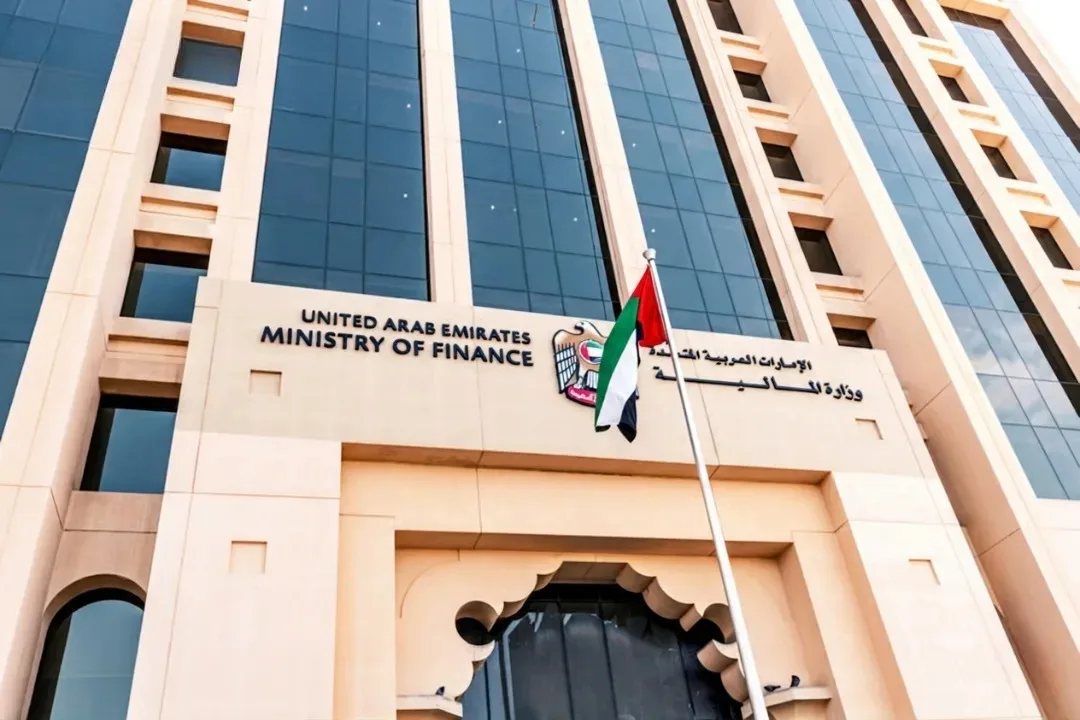
The UAE delegation was headed by His Excellency Mohamed bin Hadi Al Hussaini, Minister of State for Financial Affairs, alongside senior officials and specialists from the Ministry of Finance.
A New Roadmap for Gulf Economic Cooperation
The newly approved action plan is designed to accelerate economic integration among GCC member states over the next three years. It focuses on creating a more connected regional market by simplifying customs procedures, improving trade policies, and aligning economic regulations across Gulf countries.
Officials said the framework will help enhance the region's competitiveness while making it easier for businesses and investors to operate across GCC markets.
The plan also supports long-term goals of increasing intra-GCC trade, encouraging investment, and building a stronger collective presence in the global economy.
Focus on Customs, Trade and Industry Protection
During the meeting, ministers reviewed progress on several major initiatives, including customs union developments, tax administration systems, and coordination between central banks.
Discussions also centered on protecting domestic industries from unfair international trade practices and updating customs policies to better support local manufacturing and strategic sectors.
Officials stressed that maintaining a balance between open trade and safeguarding national industries remains a key priority as the Gulf region continues to diversify its economies.
UAE Reaffirms Commitment to Gulf Unity
Speaking during the meeting, Mohamed bin Hadi Al Hussaini said the discussions reflected the strong commitment of GCC countries to building an integrated and resilient economic system.
He emphasized that Gulf nations are increasingly working together to develop policies based on technical studies, international best practices, and shared long-term economic goals.
Al Hussaini noted that the GCC's collective approach has helped strengthen the region's ability to adapt to changing global economic conditions while supporting sustainable growth and greater competitiveness.
Free Trade Negotiations Continue to Advance
Another major topic on the agenda was the progress of free trade negotiations between GCC countries and international economic blocs.
Officials reviewed ongoing discussions aimed at expanding trade partnerships, improving market access, and creating new opportunities for businesses across the Gulf.
The meeting also examined ways to strengthen the GCC's participation in global economic forums and enhance regional cooperation on international trade issues.
Analysts believe these efforts could further increase the Gulf region's attractiveness as a destination for foreign investment and international business.
Building a More Integrated Gulf Economy
The approval of the GCC Common Market Action Plan 2026–2028 comes at a time when Gulf economies are accelerating diversification strategies and investing heavily in sectors such as technology, manufacturing, logistics, tourism, and renewable energy.
Economic cooperation has become increasingly important as member states seek to strengthen regional supply chains, boost competitiveness, and reduce reliance on traditional revenue sources.
The new framework is expected to play a key role in supporting these ambitions by creating a more connected and efficient economic environment across the GCC.
Looking Ahead
The latest agreement signals the GCC's determination to move forward with deeper economic cooperation and stronger regional partnerships.
As Gulf countries continue working together on trade, customs, and financial reforms, the new action plan is expected to support sustainable growth, encourage investment, and strengthen the GCC's position as one of the world's most dynamic economic regions.
With a shared vision and coordinated policies, the Gulf is steadily building a more integrated economy that is better equipped to compete and thrive in an increasingly interconnected global market.