
The UAE's tourism industry delivered another standout performance in 2025, with hotels across the country generating an impressive AED49.5 billion ($13.5 billion) in revenue as visitor demand continued to surge.
New figures released by the Emirates Tourism Council show that the country's hospitality sector not only expanded its revenue base but also achieved one of the highest hotel occupancy rates in the world, reinforcing the UAE's reputation as a premier global travel destination.
From luxury resorts in Dubai and Abu Dhabi to boutique hotels in the northern emirates, the hospitality industry is benefiting from sustained investment, strong international demand and a growing calendar of attractions and events.
Revenue Growth Reflects Strong Tourism Demand
According to official data, hotel establishments across the UAE generated around $13.5 billion in revenue during 2025, representing annual growth of 9.7 percent.
The figures highlight the resilience of the sector and its growing contribution to the country's non-oil economy.
Tourism has become one of the UAE's most important growth engines, supported by world-class infrastructure, seamless connectivity and a strategy focused on attracting visitors from a wide range of markets.
The strong performance also reflects the country's ability to appeal to different types of travellers, including leisure tourists, business visitors, families and luxury seekers.
Nearly 32 Million Guests Stayed in UAE Hotels
Hotels across the UAE welcomed approximately 32 million guests in 2025, marking another milestone for the country's tourism industry.
The increase in guest numbers demonstrates the UAE's growing popularity among international travellers as well as visitors from within the region.
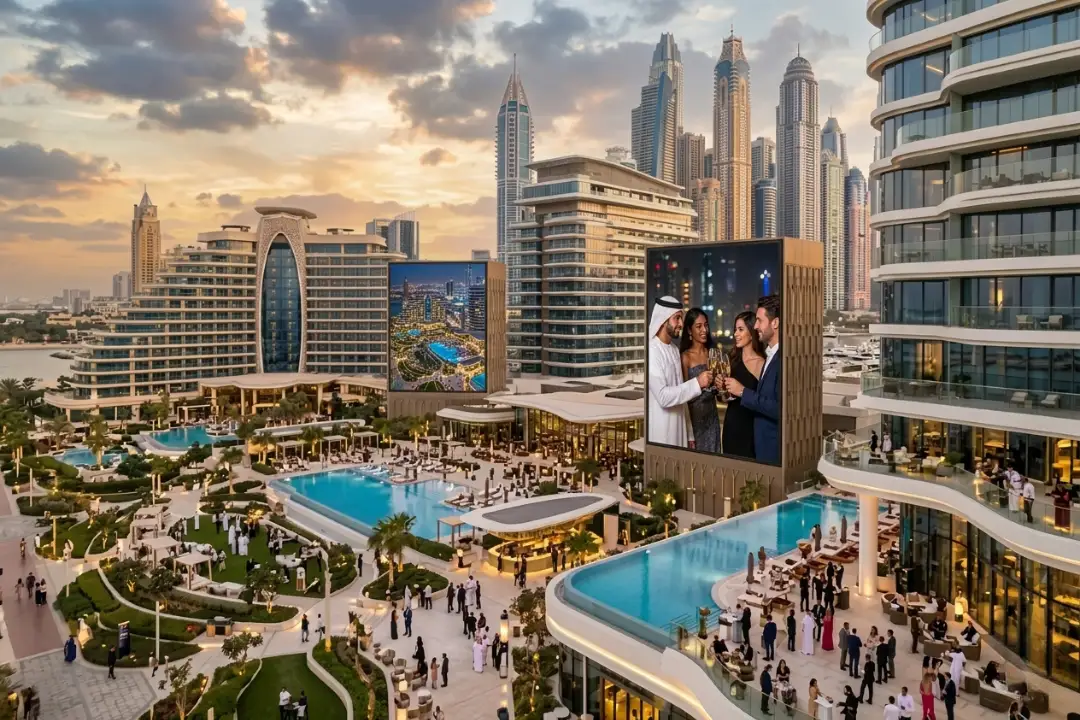
Dubai and Abu Dhabi remained the primary tourism hubs, attracting millions of visitors with their mix of entertainment, shopping, cultural attractions and business opportunities. At the same time, other emirates continued expanding their tourism offerings, helping spread visitor activity across the country.
Industry experts believe the diversified tourism strategy has played a major role in sustaining growth and reducing reliance on a single visitor market.
UAE Records World's Highest Hotel Occupancy Rate
One of the most notable achievements for the hospitality sector in 2025 was hotel occupancy.
The UAE recorded an average occupancy rate of 79.5 percent, making it the highest-performing hotel market globally.
Maintaining such a high occupancy level is a remarkable achievement, especially considering the large number of hotel rooms available across the country.
Strong occupancy rates are often viewed as one of the clearest indicators of tourism health because they reflect consistent demand, healthy pricing and confidence among travellers.
The result places the UAE ahead of many long-established tourism destinations and highlights the strength of its hospitality ecosystem.
More Than 1,240 Hotels Across the Country
The country's hotel inventory continues to grow steadily.
Official figures show the UAE is now home to more than 1,240 hotel establishments, offering approximately 217,000 rooms.
The portfolio includes a wide variety of accommodation options, ranging from ultra-luxury beachfront resorts and internationally branded five-star hotels to serviced apartments and affordable family properties.
Global hotel brands continue to invest heavily in the UAE, attracted by strong visitor demand and long-term growth prospects.
New hotel openings and redevelopment projects are expected to continue over the coming years as tourism remains a strategic priority for the country.
Around 100 Million Hotel Nights Recorded
Another indicator of the sector's strength is the number of hotel nights booked throughout the year.
Hotels across the UAE recorded around 100 million occupied room nights in 2025, reflecting steady demand across all seasons.
Unlike destinations that rely heavily on seasonal tourism, the UAE has successfully created year-round appeal through major exhibitions, sporting events, business conferences, cultural festivals and leisure attractions.
This balanced visitor flow supports hotels, airlines, restaurants, retailers and entertainment venues, creating a broader economic impact across multiple industries.
Investments Continue to Strengthen Tourism
The UAE continues investing heavily in tourism infrastructure and new attractions to maintain its competitive advantage.
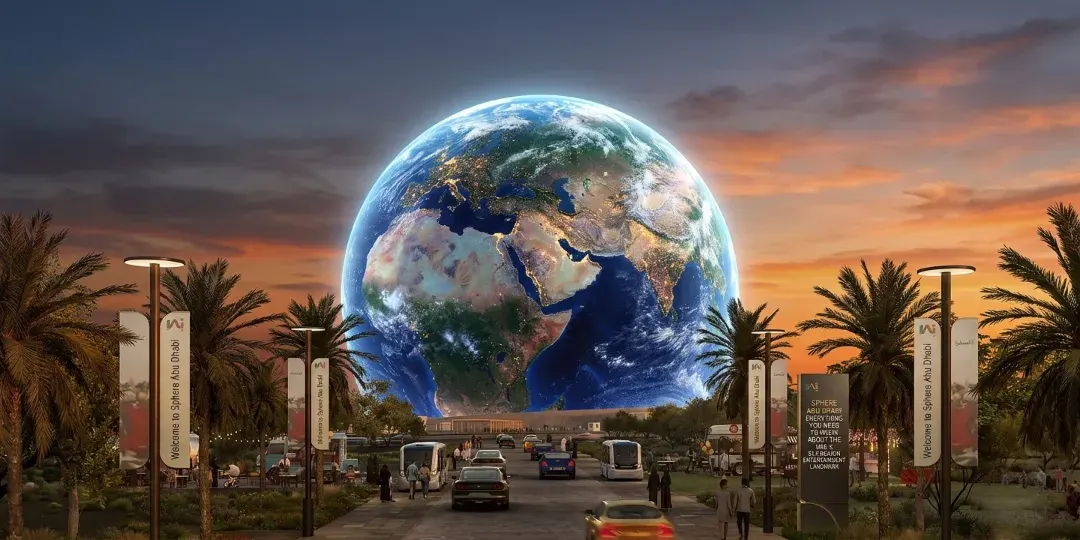
Upcoming projects are expected to add even more momentum to the sector. Among the most anticipated developments is Sphere Abu Dhabi, the immersive entertainment venue planned for Yas Island that is expected to become one of the region's most iconic attractions.
At the same time, investments in aviation, cruise tourism, cultural destinations and hospitality developments continue to enhance the visitor experience and encourage longer stays.
These projects form part of the UAE's long-term strategy to position itself as one of the world's leading tourism and entertainment destinations.
Positive Outlook for the Years Ahead
Despite occasional regional and global economic challenges, the outlook for UAE tourism remains highly positive.
Strong airline connectivity, simplified visa policies, continuous investment in attractions and a reputation for safety and quality service continue to support long-term growth.
With 32 million hotel guests, 100 million hotel nights, and $13.5 billion in hotel revenues, 2025 has become another landmark year for the UAE hospitality industry.
As new attractions open and tourism infrastructure expands, the country is expected to strengthen its position even further as one of the world's most attractive destinations for leisure, business and luxury travel.